The booking system for hospitals with clear utilization
Manage rooms, devices, and services centrally and securely without phone chains. Gain transparency between emergencies, elective procedures, and research, reduce double bookings, and expedite approvals. Seamlessly integrates into hospital IT and processes.
Get started for free. No credit card required!



Say goodbye to double bookings, hello to streamlined processes
Without centralized management, shadow bookings, unclear priorities, and a lot of coordination via email and phone arise.
Lack of transparent utilization across departments
Double bookings, downtime, and limited capacities remain hidden. Decisions between emergency, elective, and research are delayed, operating room and ward workflows are put under pressure, and alternative solutions are time-consuming.
Permissions, Approvals, and Compliance in Daily Hospital Operations
Unclear roles, lack of audit trails, and manual approvals increase risks. Complying with GDPR, B3S, and KHZG is challenging to demonstrate, while data ownership and access from the hospital network require structured processes.
How to Digitize Resource Management in Hospitals
A system for utilization, compliance, and interoperability. From self-service booking to documented on-site handover.
Transparent utilization and self-service booking
A centralized, filterable Booking Page visualizes rooms, equipment, and services with priorities for emergency, elective, and research. Live statistics and 3D floor plans make capacities visible and reduce coordination.
Clarity on availability
Fewer double bookings
Faster decisions

AI-generated
AI-generated
Compliance, Roles, and Data Sovereignty According to Clinical Standards
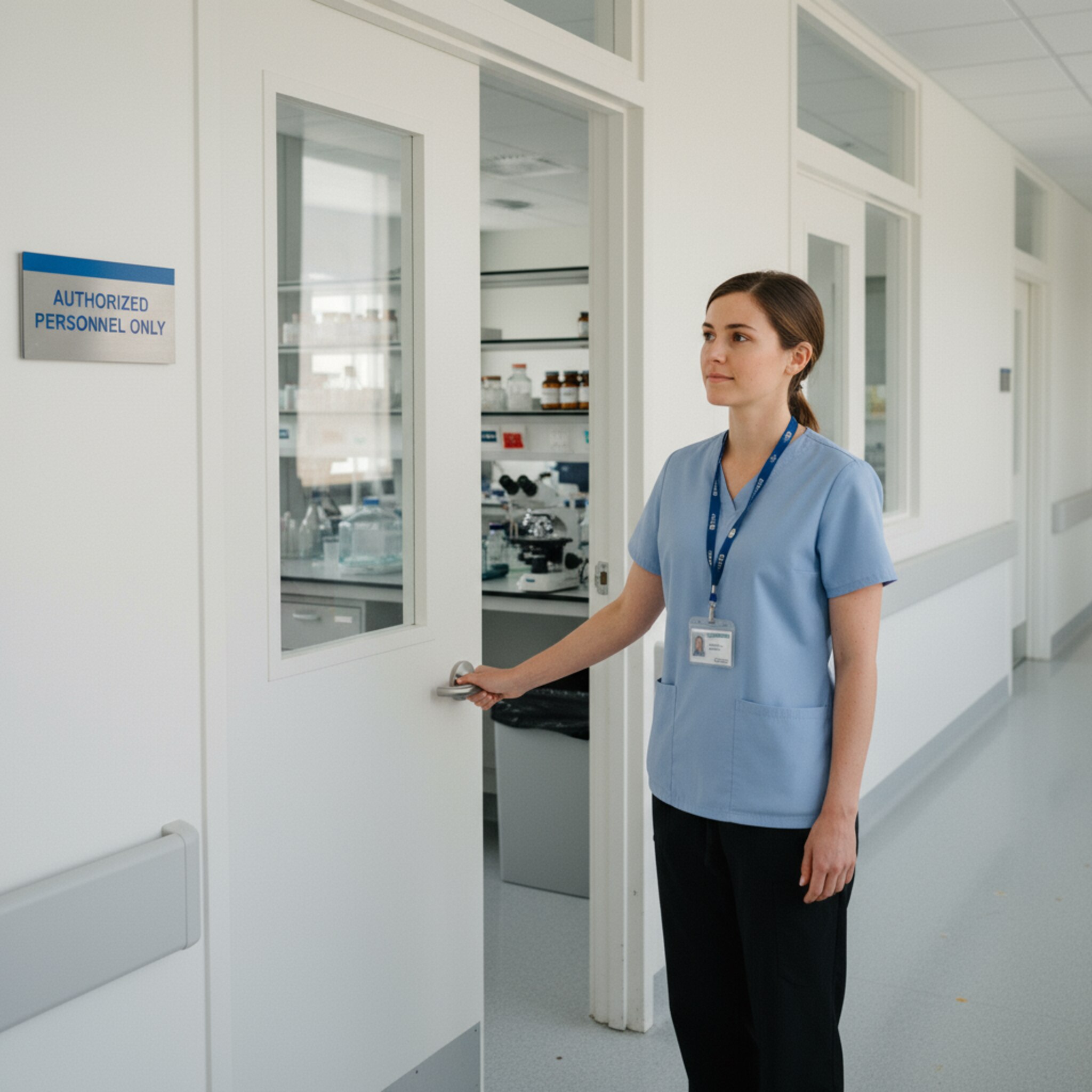
Fine-grained roles, communities, and SSO ensure secure, traceable access. Custom deletion periods, consents, and tamper-proof storage support GDPR, B3S, and KHZG.
Audit trails from booking
Multi-tenancy and EU/Gov-Cloud
Approval workflows per area
Seamless interoperability with HIS, RIS, PACS, and M365
Open APIs and Webhooks integrate bookings with hospital systems and services. Calendar sync, Outlook Add-In, and Teams app prevent shadow bookings and bring availability to where teams operate.
HL7/FHIR workflows
Real-time notifications
Improved data quality

AI-generated

AI-generated
Ensure on-site processes: Access, distribution, check-in
Documented handovers and accesses from special rooms to equipment depots. Check-in, visitor registration, and services are clearly assigned and traceable.
Clear responsibilities
Faster issues and returns
Verifiable hygiene and maintenance windows

Use Cases: Resource Management in the Clinic



Industry Insights
Why Digital Resource Booking is Transforming Hospitals
Limited capacities, cost pressure, and staff shortages force organizations to manage existing resources more precisely. At the same time, employees and external partners expect reliable availability without phone chains. Younger generations prefer self-service, clear rules, and real-time transparency. Telemedicine, research, and networked care increase the pace, demanding clean time slots, handovers, and documented responsibilities. Regulations and security standards require traceable processes, while organizations must flexibly respond to peak workloads. A digital resource booking system creates a shared view of capacities, reduces coordination efforts, and enhances planning resilience. Interoperability with hospital IT is essential to ensure consistent data flows and prevent shadow solutions. This leads to smoother processes, faster decisions, and more reliable services.
Make your workday easier today
"Simply the best booking software" (OMR Reviews, Q3/2025) - Start for free

When is anny the best booking system for our hospital?
When various departments share resources and priorities between emergency, elective, and research need to be efficiently managed. anny is the right fit when transparency, approvals, audit trails, and integration with HIS, Outlook, or MS Teams are crucial. The multi-tenancy features shine when managing multiple locations or clinics.
When does a clinic reservation solution truly pay off?
When Excel, phone, and email lead to double bookings, idle times, or lengthy clarification loops. Typically, there's a mix of rooms, special-purpose rooms, training sessions, and shared equipment. With 50+ active users or multiple departments, you'll start seeing measurable effects on utilization and coordination.
How does anny meet GDPR, B3S, and KHZG requirements in practice?
With finely granular roles, logged workflows, custom deletion periods, consents, and audit-proof storage. Hosting in Germany, strict access from the clinic network, and multi-tenancy secure data sovereignty. Audits are significantly simplified through comprehensive trails and standardized processes.
How does anny integrate with KIS, RIS, PACS, and Single Sign-On?
Through open REST APIs, HL7/FHIR workflows, and webhooks for real-time events. Calendar sync prevents shadow bookings, while the Outlook Add-In and MS Teams App integrate bookings seamlessly into your workday. SSO via Microsoft (AD/AAD) or SAML2 ensures secure, policy-compliant logins.