

Amira van Weegen
Junior Marketing Manager
September 4, 2025
Office Planning: The Ultimate Guide for Modern Workspaces
3 min
Introduction
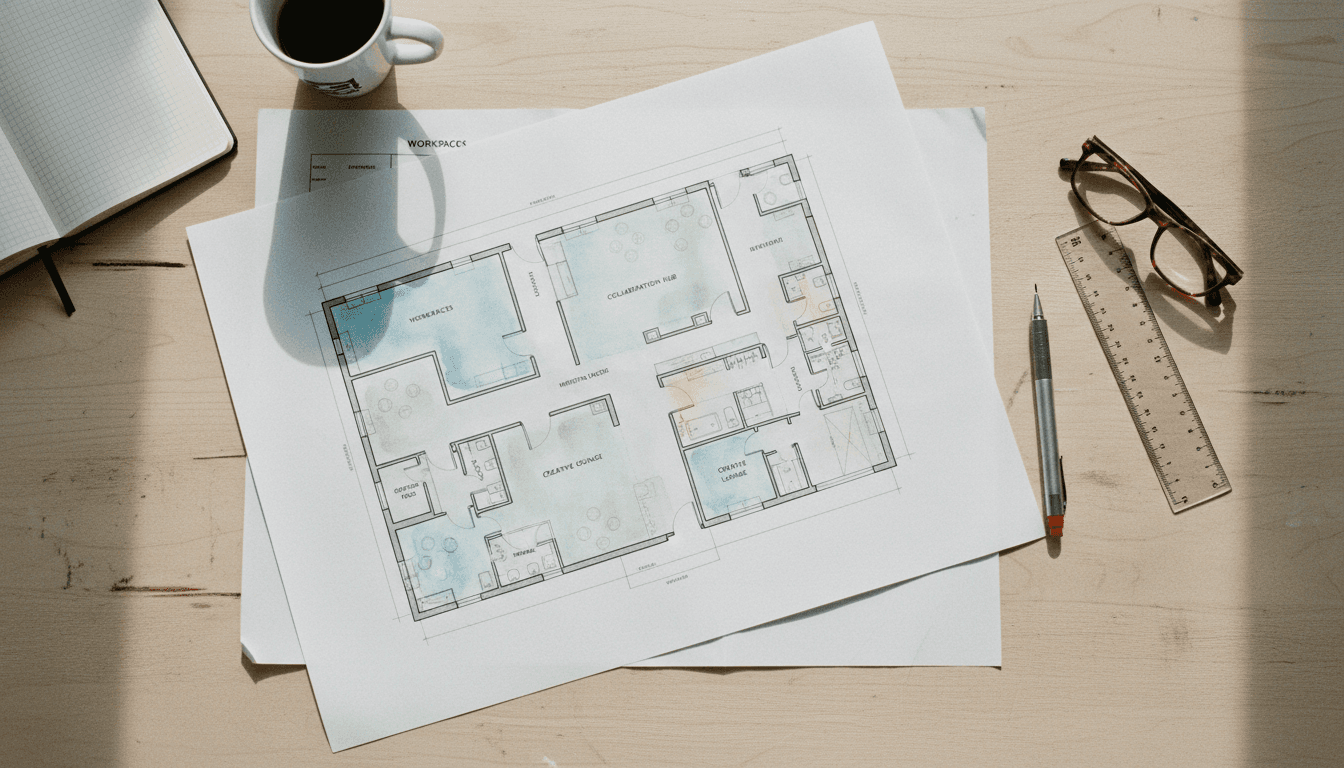
Office planning today is more than just arranging desks and chairs. It's about creating workspaces that inspire your employees, enhance their productivity, and are flexible enough to adapt to the evolving demands of the modern working world. Thoughtful office planning takes into account both functional and aesthetic aspects, creating an environment where your team feels comfortable and can work successfully.
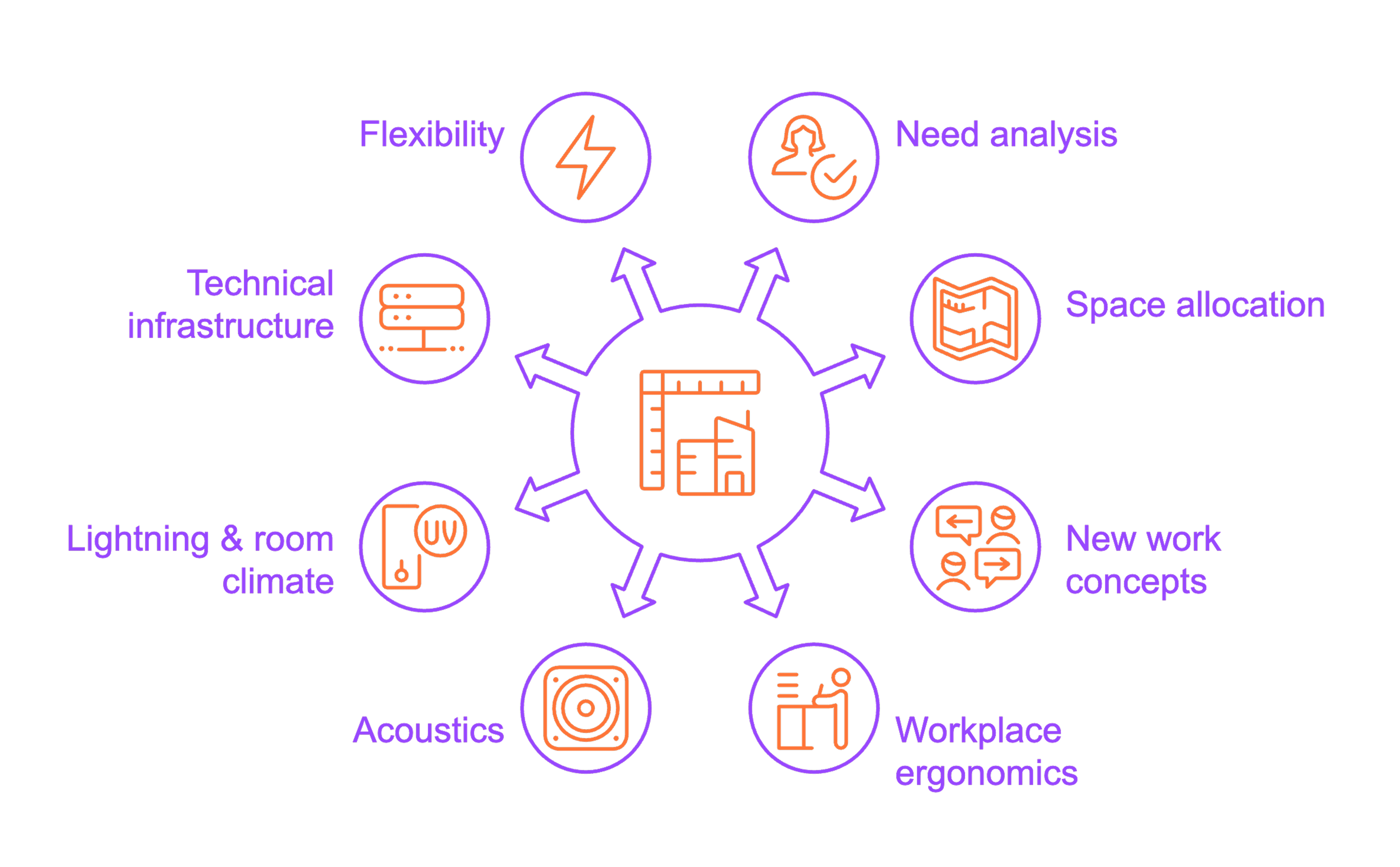
Effective office planning begins even before the first design draft. You must define your goals, understand the needs of your employees, and incorporate modern work concepts such as New Work and hybrid working into your considerations. Factors such as space layout, ergonomics, acoustics, lighting, and technical infrastructure play a crucial role in the success of your office project.
Professional office planning demonstrably leads to more efficient work processes. At the same time, well-thought-out space design reduces sick leave through improved ergonomics and contributes to employee retention.
Key Aspects of Successful Office Planning
Needs Analysis and Goal Definition
The first step in any successful office space planning is a comprehensive needs analysis. You need to thoroughly understand current workflows, consider the number of employees, and anticipate future requirements. This analysis forms the basis for all subsequent planning steps and determines the success of your project.
Start with a systematic recording of work tasks, work organization, and communication needs within your company. Also consider the proportion of fieldwork and home office, as well as future development options. A thorough needs analysis prevents costly misplanning and ensures that the new design optimally fits your corporate culture.
Space Allocation and Zoning
The intelligent allocation of your office spaces into different areas is the heart of any modern office planning. Thoughtful zoning takes into account different types of work and activities: from focused individual work to team collaboration and informal encounters.
Plan separate rooms for focused work, open areas for team collaboration, retreat zones for confidential conversations, and community areas for informal exchanges. The connection between these zones should be seamless, enabling a natural flow of movement through the office. Consider the differences between noisy and quiet areas in the planning process to minimize disturbances.
New Work Concepts
New Work is revolutionizing the way we work, and your office planning should incorporate these modern forms of work from the beginning. Activity-based working, desk sharing, and hybrid work models require a completely new approach to space design.
Flexible workspaces are becoming the standard: Instead of fixed individual offices, versatile spaces are created that can be adapted as needed. Desk sharing can reduce the required office space but requires good organization and clear rules. Integrate various work environments into your planning for different activities: Think tanks for creative work, open collaboration areas, and quiet concentration zones.
Workplace Ergonomics
The health and well-being of your employees are at the center of ergonomic workplace design. Height-adjustable desks allow employees to switch between sitting and standing, preventing back problems. Ergonomic office chairs with individually adjustable functions support healthy posture throughout the workday.
Optimal screen positioning is crucial: the top of the screen should be at eye level, with a distance of 50 to 80 cm. Ensure that workspaces offer sufficient legroom and that frequently used items are arranged within ergonomically favorable reach. Professional workplace counseling can help find individual solutions for the needs of your employees.
Acoustics and Noise Control
Noise is one of the biggest productivity killers in modern offices. Especially in open space offices, thoughtful acoustics planning is essential for focused work. Sound-absorbing materials on walls and ceilings reduce reverberation time and significantly improve speech intelligibility.
Room dividers and acoustic panels can be used flexibly to separate noisier areas from quiet work zones. Phone booths and small meeting rooms provide employees with the opportunity to hold confidential conversations without disturbing others. The right acoustic design not only reduces stress but also enhances the work quality and creativity of your team.
Lighting and Room Climate
Good lighting is fundamental for productive work and the well-being of employees. The ideal workplace lighting combines natural daylight with artificial lighting and achieves at least 500 lux. Direct glare should be avoided, and even illumination should be ensured.
The room climate has a significant impact on the concentration ability and health of your employees. The optimal room temperature is between 20 and 22 degrees Celsius, and the relative humidity should be between 40-60%. Modern climate control systems can automatically respond to different occupancy and outdoor conditions. Plants not only improve air quality but also create a pleasant, natural work atmosphere.

Technical Infrastructure
Technical equipment forms the backbone of any modern office. Plan sufficient power outlets for all workspaces and consider mobile devices and additional peripherals. Comprehensive Wi-Fi coverage is a given today, but wired internet connections should also be available for security-critical applications.
Structured cabling allows for flexible responses to technical changes without the need for expensive renovations. Consider video conferencing equipment, presentation technology, and modern collaboration tools in your planning. The integration of smart building technologies like automatic lighting control and room booking systems is becoming increasingly important.
Flexibility and Scalability
Your company grows and changes - your office setup should be able to do the same. Modular furniture systems and adaptable room structures allow you to respond quickly and cost-effectively to changing requirements. Mobile furniture and movable partitions provide the flexibility modern teams need.
When selecting office furniture, pay attention to expandability and compatibility. Invest in quality products from reputable manufacturers that remain available and extendable even years later. Forward-looking planning takes potential team expansions or reductions into account and plans appropriate reserves in space allocation. This way, your office remains functional and cost-efficient in the long term.
How anny supports your office planning
Flexible Resource Management
With anny, managing your office resources becomes a breeze. The system enables you to efficiently manage workspaces, meeting rooms, and equipment—perfect for modern office concepts with desk sharing and flexible work options. Your employees can quickly and easily book available workspaces, always having an overview of all options.
The intelligent resource management helps you optimally utilize your office spaces and minimize vacancies. Through detailed analyses, you can identify usage patterns and optimize your office planning based on data. This not only saves costs but also ensures better work organization and more satisfied employees.
3D Office Visualisation
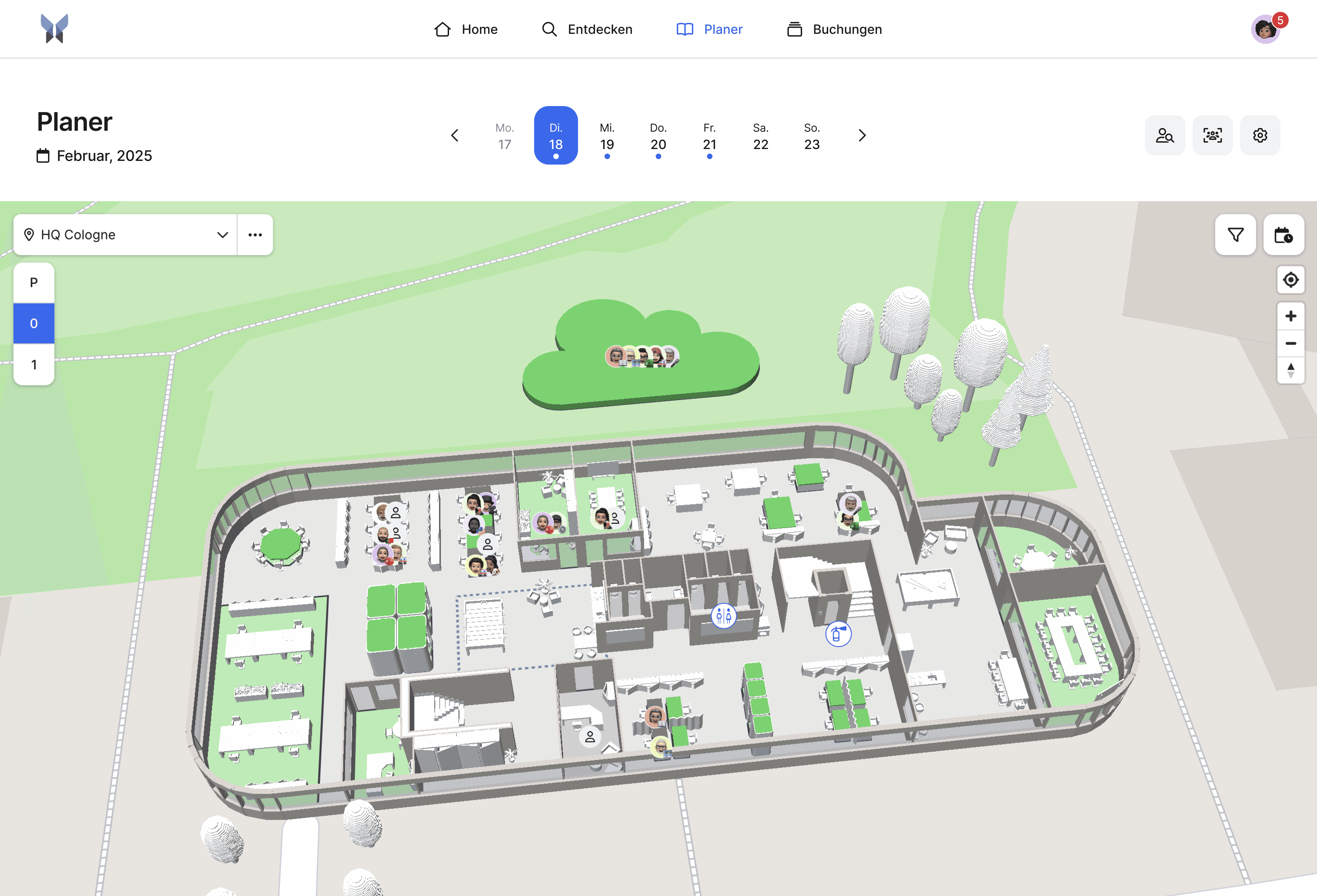
The immersive 3D map from anny displays your office layout clearly and realistically. New employees find their way around faster, and booking workspaces becomes a visual experience. The 3D visualizations help during the planning phase to test different layouts and develop the optimal concept.
This modern way of representing the office also supports change management during relocations or restructuring. Employees can familiarize themselves with the new spaces in advance and address any concerns early on. The visual clarity reduces uncertainties and promotes acceptance of new work environments.
Optimizing Hybrid Work
The integrated weekly planner from anny is the perfect tool for coordinating office and home office days. Teams can align their presence times to ensure optimal collaboration even in hybrid work models. The planning transparency prevents empty offices on some days and overcrowding on others.
This functionality supports management and teams in fully leveraging the benefits of flexible work models without impairing communication and collaboration. At the same time, it enables precise planning of required office spaces and can lead to significant cost savings.
Integrating Visitor Management
The automated visitor registration including badge printing from anny ensures smooth processes at reception. Contact details are efficiently captured, and guests receive all necessary information for their visit. This not only creates security but also a professional first impression.
The seamless integration into your existing office structures makes anny the ideal partner for holistic office planning. From the initial idea to daily use, the system supports all aspects of modern office operations and grows with the demands of your company.
Conclusion
Professional office planning is an investment in the future of your company. It not only increases productivity and employee satisfaction but also positions you as an attractive employer. With the right planning, the appropriate experts by your side, and modern tools like anny, you create workspaces that function optimally today and tomorrow.
Ready to get started? Book a no-obligation demo now with the anny team and discover how we can support you in executing your office planning.





" height="38px" id="bH388uk2E" transform="translate(1 1)" width="118.00000395534607px"/></svg>)